Windows 11 taskbar auto-hide: check the setting and compare app behavior
If the Windows 11 taskbar will not reappear after you enable auto-hide, compare the desktop with the affected app first. A specific Quasarzone question provides the starting point; Microsoft and Samsung support documents supply the verified settings path.
 WhenTip EditorialSource article updated Nov 12, 20265 min read
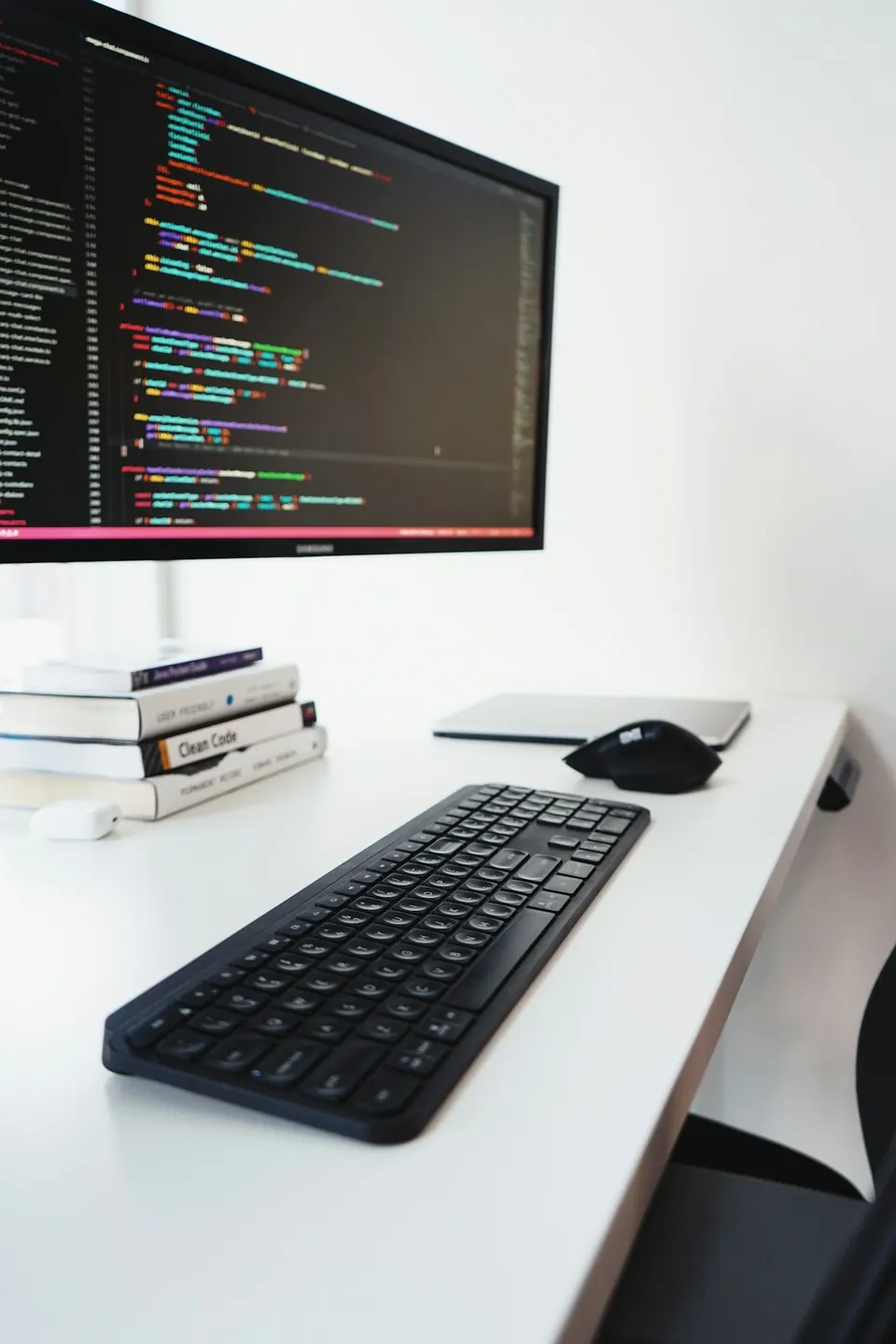
Based on the sources linked below. The photograph is for illustration.
Before you start
STEP BY STEP
Here’s how
Separate desktop behavior from the app-specific symptom
A Quasarzone question dated August 26, 2024 describes Windows 11 auto-hide working on the desktop but the taskbar failing to reappear when an app was used full screen. The author said pressing the Windows key made it visible. That is one user's report from that time, not evidence of a universal Windows 11 fault. On your PC, note what happens on the desktop with no app covering it, in an ordinary window, and in the screen state that causes trouble. Distinguish an enlarged window from the app's own full-screen mode so you can describe the situation accurately to support.
Open settings from an empty area of the taskbar
Start on the desktop and move the pointer to the very bottom edge of the screen. Microsoft says hovering over or touching that edge reveals a hidden taskbar. Once it appears, right-click an empty area without an app icon and select Taskbar settings. Scroll down and expand Taskbar behaviors. Samsung's support guidance uses the same path for auto-hide. The menu opened by right-clicking an app icon is different from the taskbar's own settings menu.
Check the auto-hide box and compare the two states
Under Taskbar behaviors, inspect Automatically hide the taskbar. Clear the box to keep the bar visible, or select it to hide it until needed. Note the original state so you can return to it easily. Whentip's suggested check is to compare the desktop with the box cleared and then selected again. Changing an option and resolving the problem are separate outcomes. Do not stop at seeing the checkbox change: check what the taskbar actually does.
Repeat the check in the same app and screen state
With auto-hide selected, leave Settings and return to the app and screen state where the problem occurred. Move the pointer to the bottom edge. If the taskbar appears on the desktop but not in that app, record the difference without assuming it proves a fault in the app or graphics driver. If you use multiple monitors, note which screen you tested. Show my taskbar on all displays is a separate option in the same group. Check one setting at a time instead of changing it together with auto-hide, so you can tell which change affected the result.
Give support the setting and the conditions that reproduce it
The Windows key officially opens the Start menu. You can check whether it still provides access to Start, but seeing the taskbar only after pressing that key does not establish that auto-hide has been fixed. If the bar remains unusable on the desktop with auto-hide off, or the symptom keeps returning, give Microsoft or your PC manufacturer's support team the Windows version, app name, monitor count, checkbox state, and affected screen mode. Leaving auto-hide off may help you continue working, but it is not a diagnosis.
Sources & further reading
Quasarzone — Question about a taskbar error, August 26, 2024 ↗Microsoft Support — Customize the Taskbar in Windows: auto-hide ↗Samsung Electronics Service — Taskbar position, size, hiding, and locking ↗Some sources are in Korean. Check the original guidance for current product, store or software conditions.
Read this article in Korean →