Emeril Lagasse's tips · One technique from a published recipe
Emeril Lagasse's tips — Segment oranges between the membranes over a bowl
For orange pieces without the thin membranes, learn to separate the flesh one segment at a time. This guide draws on a preparation technique in Emeril Lagasse's official recipe: distinguish the white pith from the membranes, then use a serrated knife over a bowl to release the segments and catch their juice.
 WhenTip EditorialSource article updated Nov 18, 20264 min read
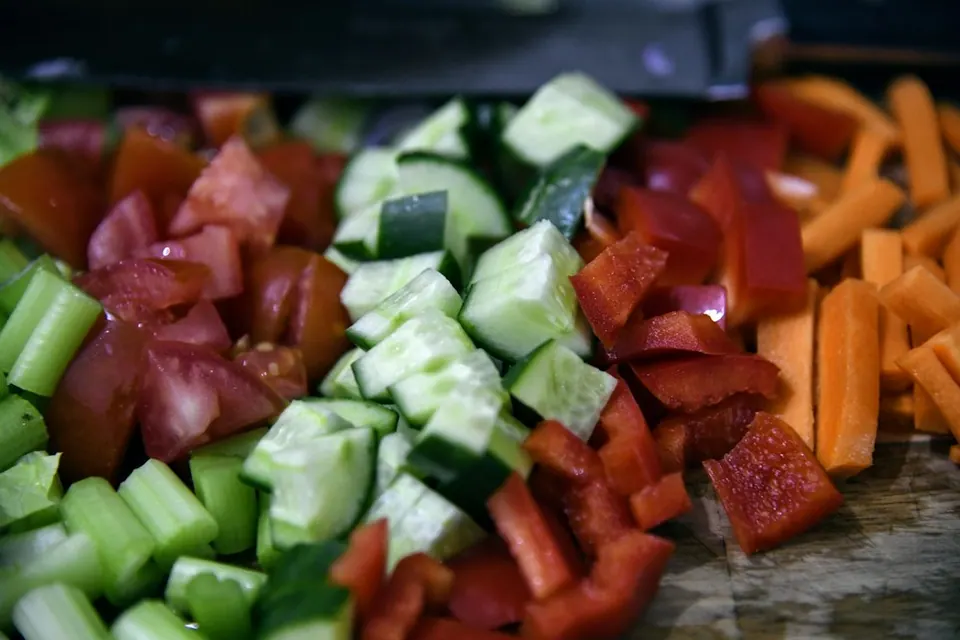
Based on the sources linked below. The photograph is for illustration.
Before you start
STEP BY STEP
Here’s how
1. Set out the bowl and start with one segment
Emeril Lagasse's official Caramelized Oranges recipe describes releasing orange segments with a serrated knife over a bowl. This article focuses only on that preparation technique, rather than reproducing the sugar quantities and pan-cooking recipe. As a Whentip practice example, start with one orange and work on a single segment. Looking for a bowl after peeling means moving equipment while juice is already dripping. Put the bowl beside your board before picking up the knife.
2. Distinguish white pith from the segment membranes
Peel the orange and trim off the white pith clinging to the flesh. The original recipe removes this before separating the segments. Exposing the orange flesh makes the boundaries easier to identify for the next step. The white pith you have removed is different from the thin membranes around each segment. Removing one does not remove the other. If the boundary is unclear, rotate the orange to find it rather than continuing to cut deeper.
3. Cut along both sides of a membrane-bound segment
Position the orange so its juice can fall into the bowl and identify the membranes on both sides of one segment. Slide the serrated knife between a membrane and the flesh on one side, then separate the other side to release the flesh into the bowl. Aim to leave the membrane behind rather than cutting out a thick piece that includes it. Keep your fingers out of the blade's path and work slowly, one segment at a time. If the flesh does not release, check where it is still attached. Stop and steady your grip instead of pulling hard to tear it free.
4. Check for remaining membrane and manage the juice
Inspect the released segment for membrane, then repeat with the remaining sections. The bowl lets you handle the flesh and collected juice separately. For a salad, check how much liquid you want before pouring in everything from the bowl; this is Whentip's serving judgment. The original recipe next pats the segments dry before pan-cooking. For eating them as they are or using another recipe, follow that dish's moisture requirements. Segmenting alone does not complete the original caramelized-orange dish; follow the linked official recipe if you want to make it.
Sources & further reading
Emeril Lagasse official recipe — Caramelized Oranges ↗Some sources are in Korean. Check the original guidance for current product, store or software conditions.
Read this article in Korean →